
Glass determines how much light, glare, and solar heat reach the cabin. We select car window tinting in Huntington Beach, CA based on visibility, heat rejection, UV exposure, privacy, glass position, and the finish you want.
Tint shade is only one part of how automotive window film performs. Visible light transmission describes how much visible light passes through the treated glass, but darkness alone does not explain heat rejection, UV reduction, glare control, or how comfortable the cabin feels under direct sun. Two films can appear similar while serving different performance priorities.
Heat creates another decision. Solar energy entering through automotive glass contributes to hot seats, heated interior surfaces, and a cabin that takes longer to feel comfortable. Heat-rejection window tint is selected for more than appearance because film construction can influence how much solar and infrared energy passes through the glass.
Glare and UV exposure involve separate considerations. Reduced visible light can make bright daylight and reflected glare easier to manage, while UV-rejecting film reduces the amount of ultraviolet radiation passing through treated glass. Neither benefit should be confused with making the glass completely opaque or eliminating every source of cabin heat.
Privacy introduces a tradeoff of its own. Reducing visible light through side and rear glass makes the cabin less exposed from outside, but film selection still has to account for driver visibility, the position of each window, and applicable requirements. The best tint setup therefore starts with what each piece of glass needs to accomplish rather than choosing one darkness level for the entire vehicle.

Tint pricing changes with the number of windows being treated, glass size, vehicle design, film option, and whether existing film has to be removed first. A pair of front side windows is a different installation from a complete side-and-rear setup with curved glass and multiple quarter windows.
Tint Scope | Typical Glass Covered | Pricing |
Front Side Windows | Driver and front passenger side glass | Call for Pricing |
Side + Rear Glass | Passenger-side glass and rear window | Call for Pricing |
Full Vehicle Tint | Eligible side and rear automotive glass | Call for Pricing |
Higher-Performance Film | Film selected for stronger heat or comfort priorities where offered | Call for Pricing |
Existing film removal can add preparation because adhesive residue has to be cleared before new material is installed. Curved rear glass, small fixed windows, complex door glass, and vehicle-specific trim can also change the amount of fitting and installation work involved.
Tint selection must also account for where each pane sits on the vehicle and the visibility requirements that apply to that glass. Instead of assuming every window should receive the same treatment, the quote should reflect the actual vehicle, coverage area, existing film, and performance goal.
Car window tinting in Huntington Beach, CA is most useful when film selection is tied to a cabin problem rather than appearance alone. Heat, brightness, glare, UV exposure, and privacy are related, but each responds differently to the film selected.
A darker-looking film is not automatically the highest-performing option for heat rejection. Visible light transmission describes how much visible light passes through the glass, while heat performance depends on the film’s construction and characteristics. Film selection should consider both instead of treating shade as the only specification.
A clean tint installation shows up in places that receive little marketing attention. The glass must be prepared correctly, the film must match the pane, and the finished edges must look intentional. Small fitting problems become especially noticeable because people see window film through transparent glass every day.
We remove dust, oils, adhesive residue, and other contaminants before installation so unwanted material isn't trapped between the automotive glass and film.
Each piece of film has to follow the usable shape of the glass rather than simply covering the largest rectangular area around it.
Top edges and borders require careful finishing so the installed film sits cleanly against the usable glass without rough or inconsistent termination lines.
Rear windows and other curved panes require controlled shaping so flat film conforms to the glass without unnecessary creasing, tension, or visual distortion.
The installation begins by deciding what each piece of glass is expected to do. Privacy may matter most on rear passenger glass, while visibility and glare can dominate the front-side decision. Film choice follows those goals before installation starts.
Each window being treated is checked for old tint, adhesive residue, contamination, damage, and the shape that the new film must follow.
Heat rejection, glare reduction, UV protection, privacy, appearance, or a combination of these priorities establishes the direction for film selection.
Available automotive film is matched to the desired balance between visible light, cabin comfort, privacy, appearance, and applicable glass requirements.
The inside of the automotive glass is cleaned carefully before film placement so dust and residue do not become trapped beneath the finished installation.
Film is cut and formed to follow the dimensions and curvature of the specific pane rather than relying on one generic shape.
The prepared film is positioned against the glass, then installation solution and trapped air are worked out progressively across the surface.
Borders and upper edges are completed carefully so film termination remains clean around the usable window area.
Fresh tint needs time to dry and settle after installation. Temporary moisture patterns or light haze can occur during this period before the film reaches its final appearance.
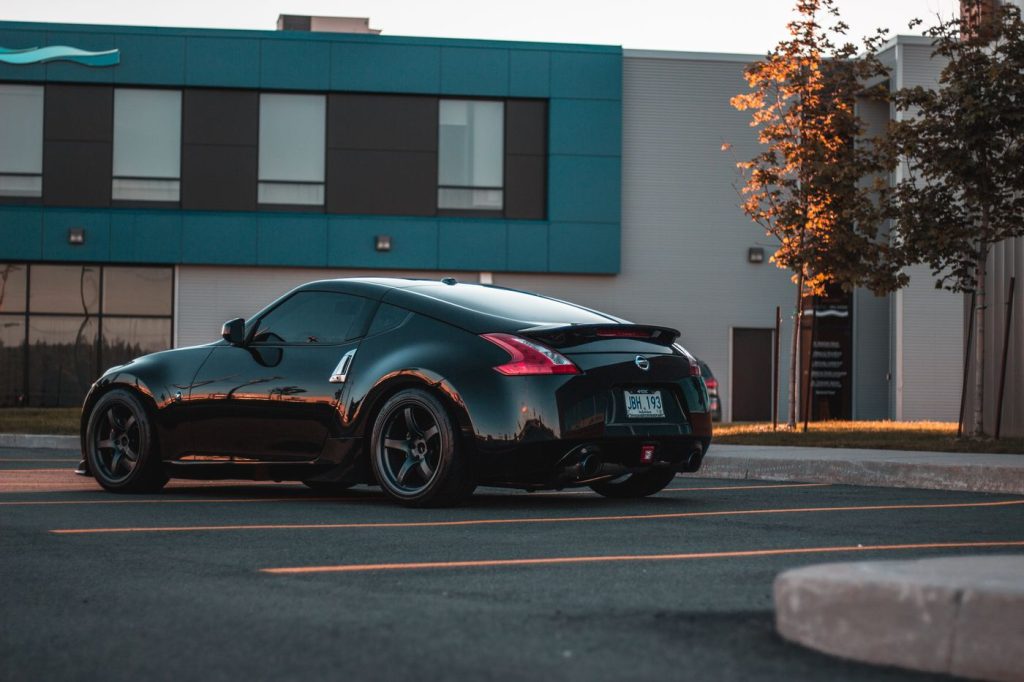
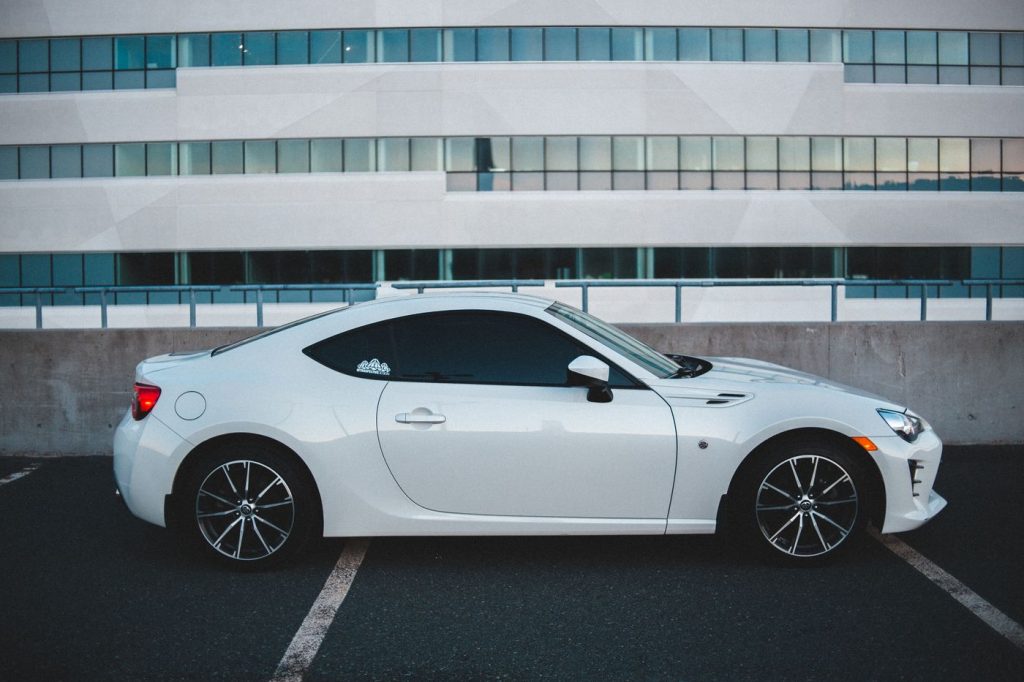
Tint decisions become easier when the priority is defined before the shade. One driver may care most about maintaining maximum visibility with modest glare control. Another may prioritize privacy. A third may want a higher-performance film focused more heavily on heat rejection.
Tint Priority | Lighter Film | Darker Film | Higher-Performance Film |
Visible Light | More Light Passes Through | Less Light Passes Through | Depends on Selected VLT |
Cabin Privacy | Lower | Higher | Depends on Shade |
Glare Reduction | Moderate | Stronger | Film and Shade Dependent |
Heat-Rejection Focus | Film Dependent | Film Dependent | Primary Consideration |
Night Visibility | Generally Easier | Requires More Consideration | Depends on VLT |
Best Fit | Visibility Priority | Privacy / Appearance Priority | Comfort + Performance Priority |
The useful question is not simply, “How dark should I go?” It is what you want the glass to change. Film darkness, heat performance, privacy, and driver visibility should be evaluated together, especially when different windows on the same vehicle serve different purposes.
Exterior protection works through completely different surfaces. Paint protection film protects painted panels from physical impact, while ceramic coating protection changes the behavior of prepared exterior surfaces. Neither substitutes for automotive window film.
Window tint is most relevant when the problem starts with light entering the cabin rather than with the paint or exterior finish. The useful signals usually appear while the vehicle is being driven or sitting in direct sun. Tesla owners considering tint alongside broader vehicle care can review our Tesla detailing services. Customers outside Huntington Beach can also check our mobile service areas for current coverage information.
No. Visible darkness and heat rejection are separate characteristics. A darker film allows less visible light through, but heat performance depends on the film construction and product characteristics. A higher-performance film can therefore be selected for heat control without assuming that the darkest available appearance is automatically the most effective option.
Installation uses moisture between the film and glass so the material can be positioned correctly. Some moisture can remain visible while the adhesive dries and the film cures. Temporary haze or small moisture patterns can therefore be normal initially. Persistent contamination, lifting, creases, or defects after curing require separate evaluation.
Fresh film needs time to adhere and settle along the glass and upper edges. Rolling the window down too soon can disturb film that has not fully secured. The required waiting period depends on the film, installation conditions, and curing environment, so follow the aftercare instructions provided with the completed installation.
Yes. Existing film can be removed before replacement, but the condition of the old material and adhesive affects the preparation work. Brittle film, aged adhesive, or multiple previous layers can require additional removal time because the glass needs to be clean before new automotive tint is installed.
Not necessarily. Ceramic film technology and visible light transmission describe different things. A ceramic tint film can be selected in different darkness levels depending on the products offered. Its performance should be judged through the relevant film specifications rather than assuming that stronger heat rejection always requires a darker appearance.
Window film reduces specific types of solar energy and UV transmission according to the performance of the selected product, but it should not be described as eliminating every source of heat or exposure. Untreated glass, vehicle surfaces, ambient temperature, and direct sunlight still influence cabin conditions.
Fresh details, foam videos & transformations every week.
Tell Lezama Brother’s Mobile Auto Detail where the vehicle is parked and what service you need. We’ll confirm coverage, property suitability, and whether the work can be completed on-site or requires our Huntington Beach shop.
Fill out the form and get your detailed quote.
Call us if you have any queries!
Posted on Google
 Jazmin Luna
Trustindex verifies that the original source of the review is Google.
This was easily one of the best car detailing experiences I’ve ever had. I have a 1-year-old pit bull mix, and my car was completely covered in dog hair, so I honestly didn’t expect it to come out perfect. I was shocked when I saw the finished result—you couldn’t even tell a dog had ever been in my car. He took his time, was incredibly thorough, and made the inside look brand new. The exterior was spotless and shining too. He even came to my job to detail it, and my coworkers were so impressed they asked for his business cards. Great service, very kind, and his prices are more than fair. Highly recommend!Posted on Google SampsonHad Alex out to my house to detail my work truck and he was very thorough. Looks brand new inside and it was very dirty after 2 years, so I know it was a tough job. Would definitely recommend their services. Texted with an arrival window, showed up and made it happen. Thank you.Posted on Google
 Edwin SoteroAlexis really surprised me with the outcome of my truck. It was honestly not in the best shape and had a lot of work to do. He went beyond what I expected and I was satisfied with the outcome. Looked brand new like I just took it out the dealership! Enough words said his work speaks for itself 💪Posted on Google
 Johnny ZEEGreat job by Alex. Very professional and thorough. I highly recommend their business *****Posted on Google
 Zeth CrowleyAlex did an excellent job. I haven't been able to get my car washed for over a year and I work a job that gets stuff all over my work boots, and I have a dog, so lots of dog hair too. My car looks immaculate now. It's clear to me every detail was considered with cleaning my car and I really appreciate it. The paint on the roof is starting to fade, and he was able to recommend a guy for getting that fixed. 10/10, would recommend. I am very pleased.Posted on Google
 Cristian HuescaAmazing work ! Got my truck looking right once again ! Took their time and very attentive to detail ! Highly recommended !Posted on Google
 Eric PulidoSpot on, great service with quality work Recommend to everyonePosted on Google
 Monique IrvinAlways wonderful, quick to respond, goes above and beyond. My former Kia was a disaster from my kids in the backseats. All stains were able to be removed and the car was amazing and fresh! Cleaner than when I bought it! My new camry was taken well care of with the ceramic coating and I was explained the whole process.Posted on Google
 jennie GalvezBest mobile detailing in OC Alex and his team always do an amazing job.
Tell Lezama Brother’s Mobile Auto Detail whether your priority is heat, glare, UV exposure, privacy, appearance, or replacing old film. Request a tint quote based on your vehicle, glass coverage, and the film option that fits your goal.